The Fruitful Gathering: A Peek into Food Symbolism Throughout Art History

In the midst of the holiday season, as we celebrate a variety of traditions with family and friends there is a constant among us— the gathering around food and drink. There is no better time to explore the rich history between food and art than the holidays, when we spend so much time planning dishes, sharing recipes, and connecting around a dinner table. From Ancient Greek mythology to Warhol’s soup cans, there are centuries of recurring themes to unpack. There are specific foods, such as the pomegranate, that have historical and continuing significance and specific topics, like sex and genitalia, that are commonly represented by food. In any case, this connection is so rich with history that the topics chosen only scratch the surface. As meanings and interpretations have changed over time, one thing has remained the same, food and drink foster communities and creative thought.
Fruits Abound
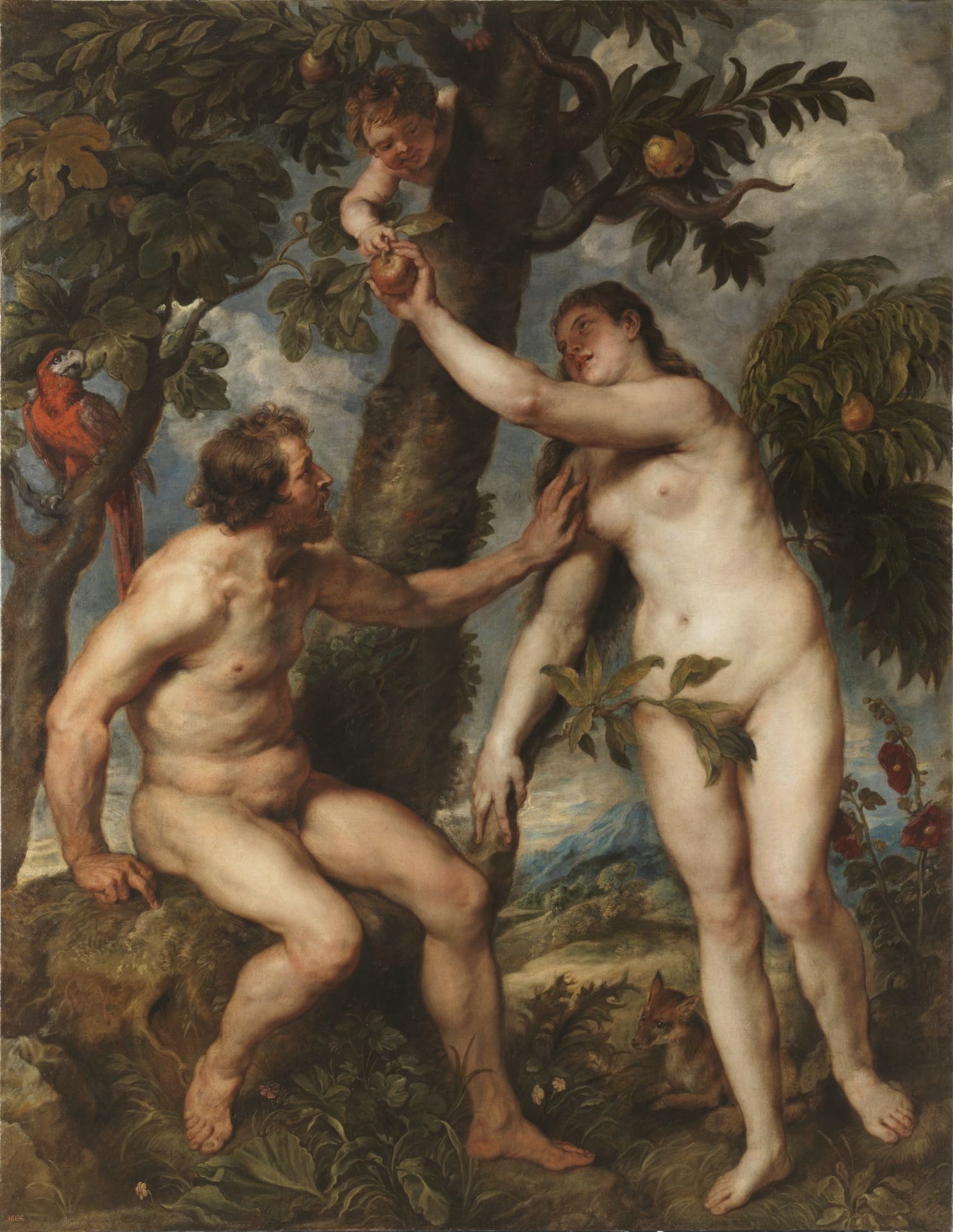
Symbolizing a truly endless amount of things, apples are one of the most notable foods that have been depicted in art history. In the Christian story of Adam and Eve, the apple symbolizes original sin and the Tree of Knowledge, as seen in Peter Paul Rubens’ Adam and Eve (1628-29) and countless other works [1]. Today, the use of an apple to symbolize knowledge stands stronger than ever— as I type on my Apple MacBook with my Apple iPhone right next to me. In Norse mythology, Idun, the goddess of youth, is typically depicted holding golden apples that kept the other gods and goddesses youthful [2].

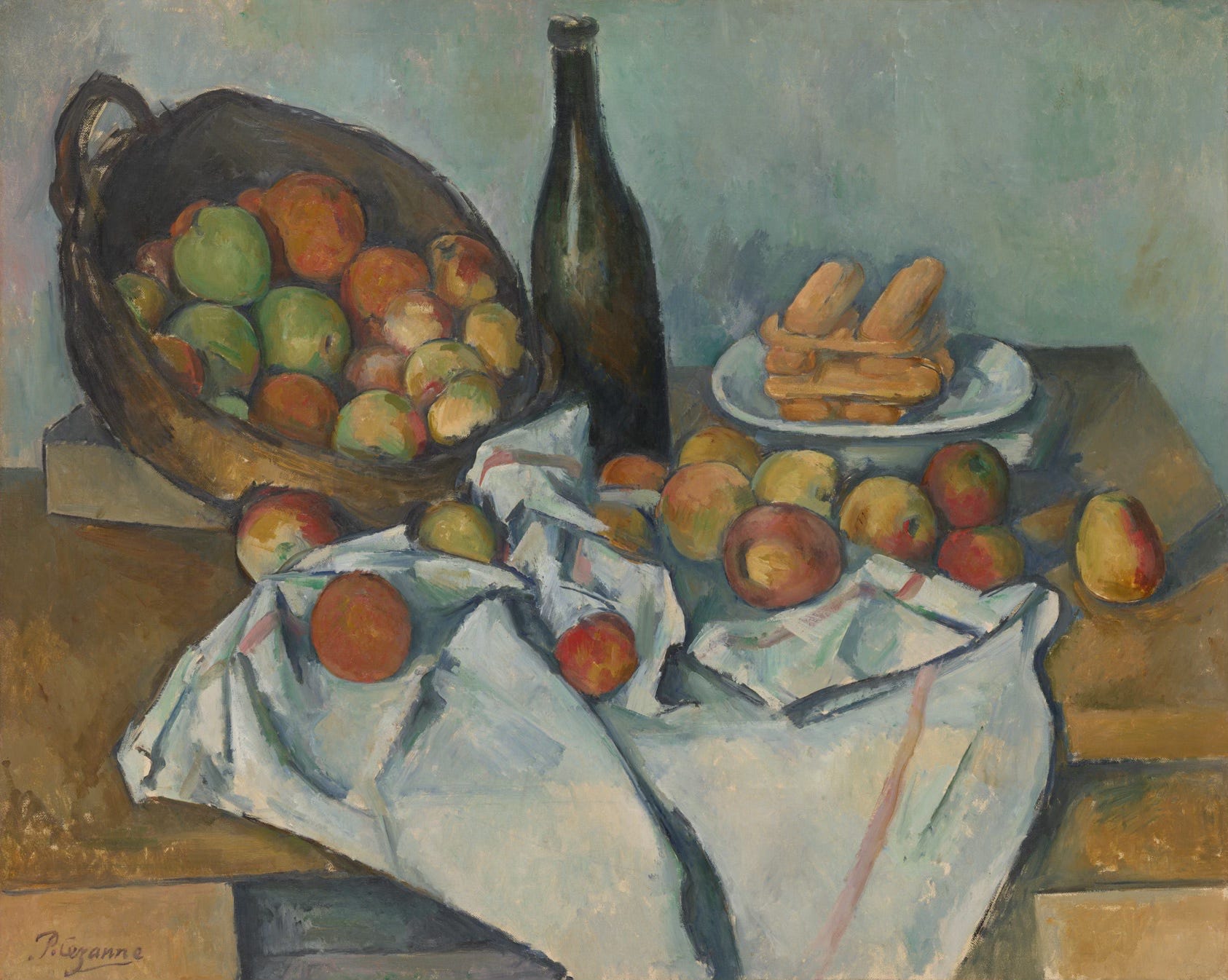
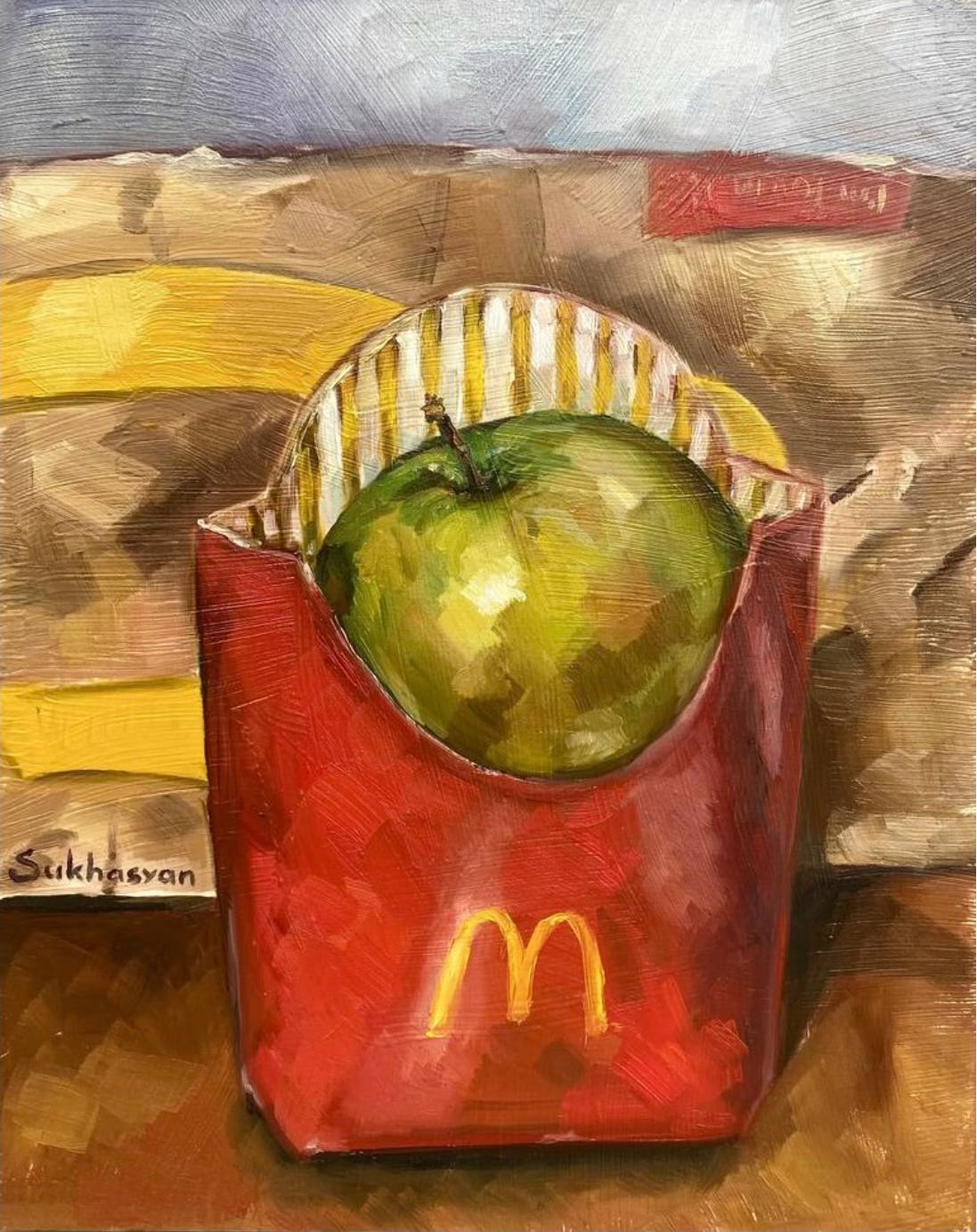
In the late 19th century, famous Post-Impressionist artist Paul Cézanne commonly used apples in his still lifes simply because he was fascinated by them [3]. These still lifes would inspire an entire generation of artists particularly in reference to Fauvism and other Post-Impressionist genres. Apple in a French fries box (2020) by Victoria Sukhasyan is a contemporary piece that clearly references American eating habits, or lack thereof, and it takes a still life form not dissimilar to Cézanne’s works. It is an example that apples continue to inspire many thoughts of mind, phrases, and artistic references.
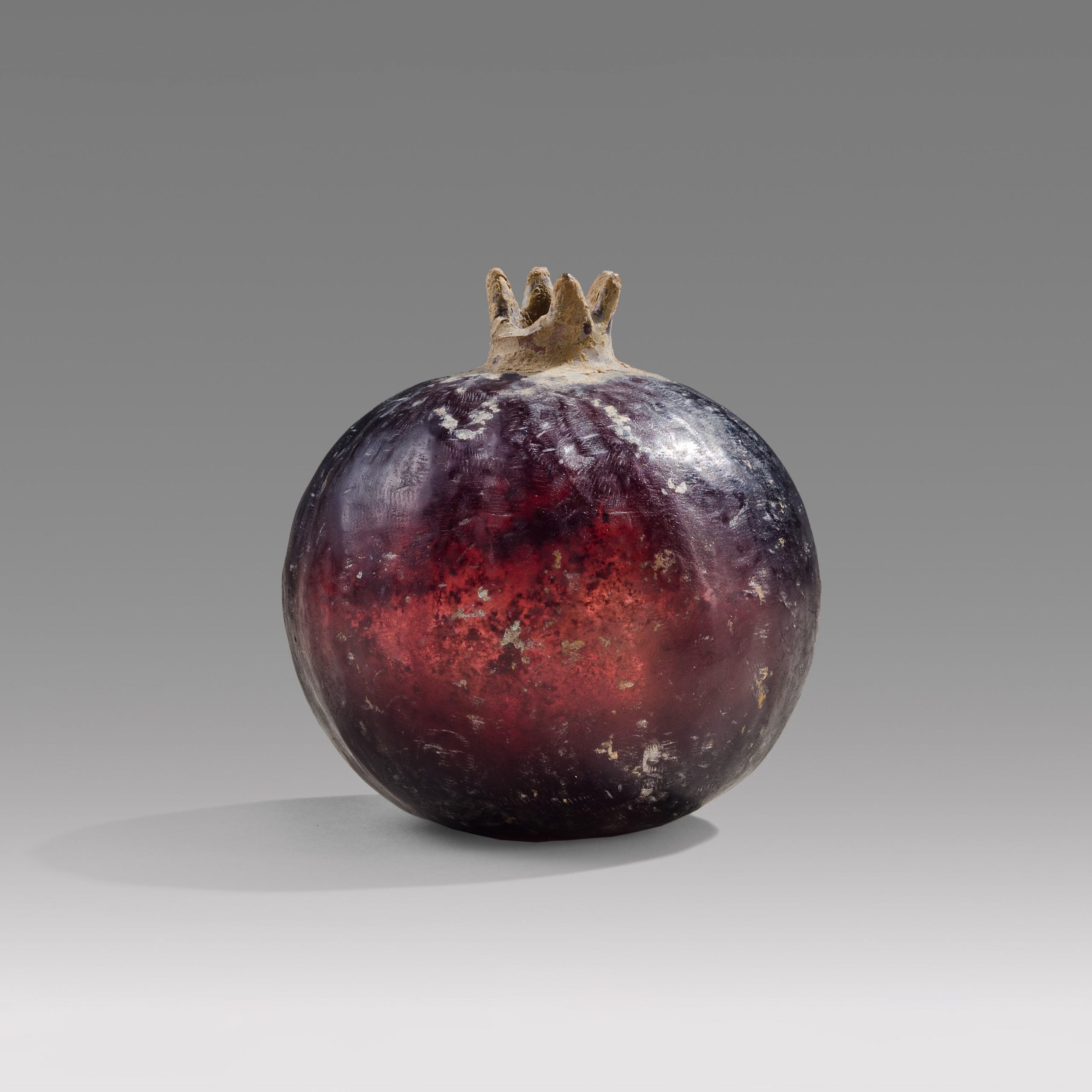
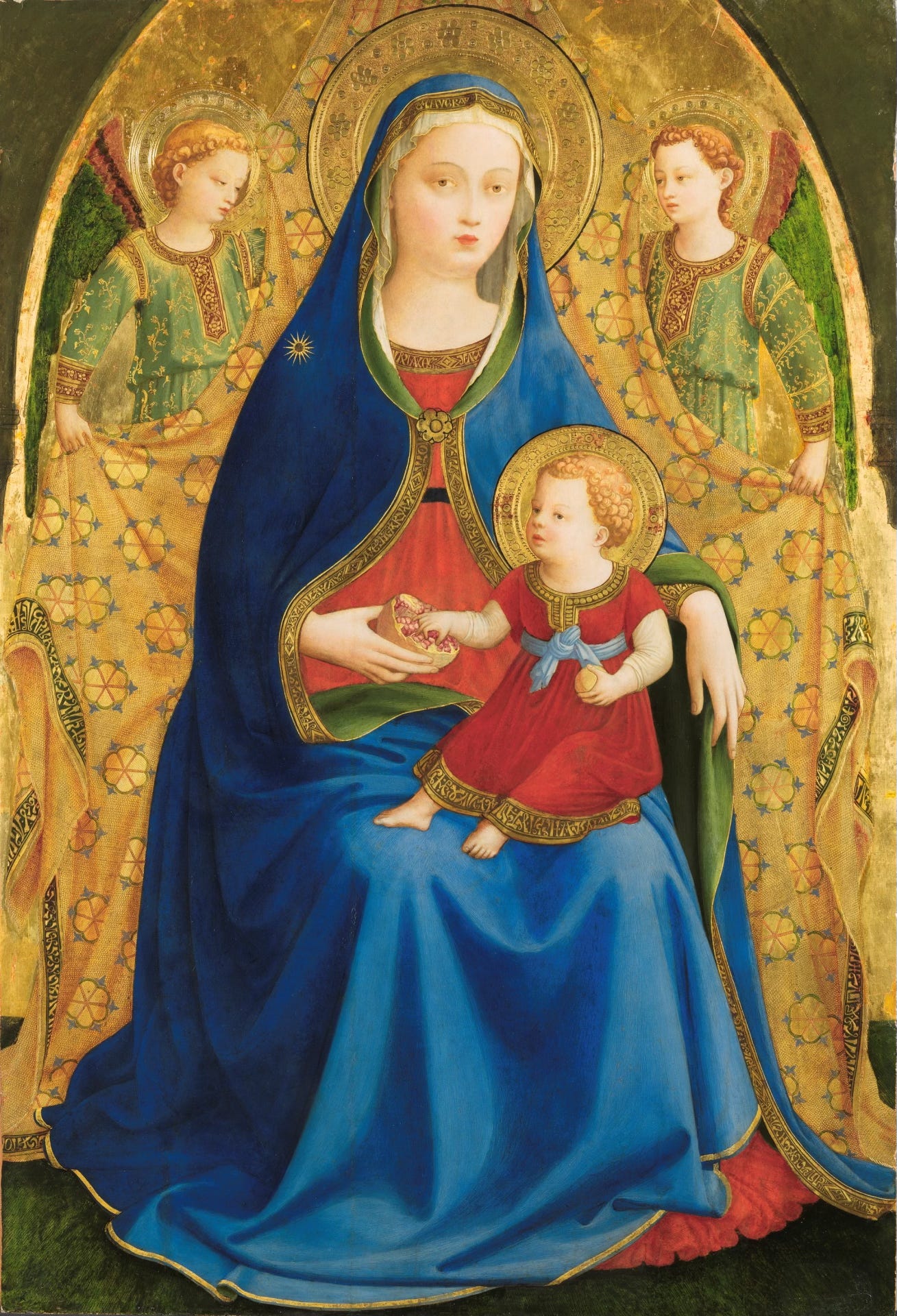
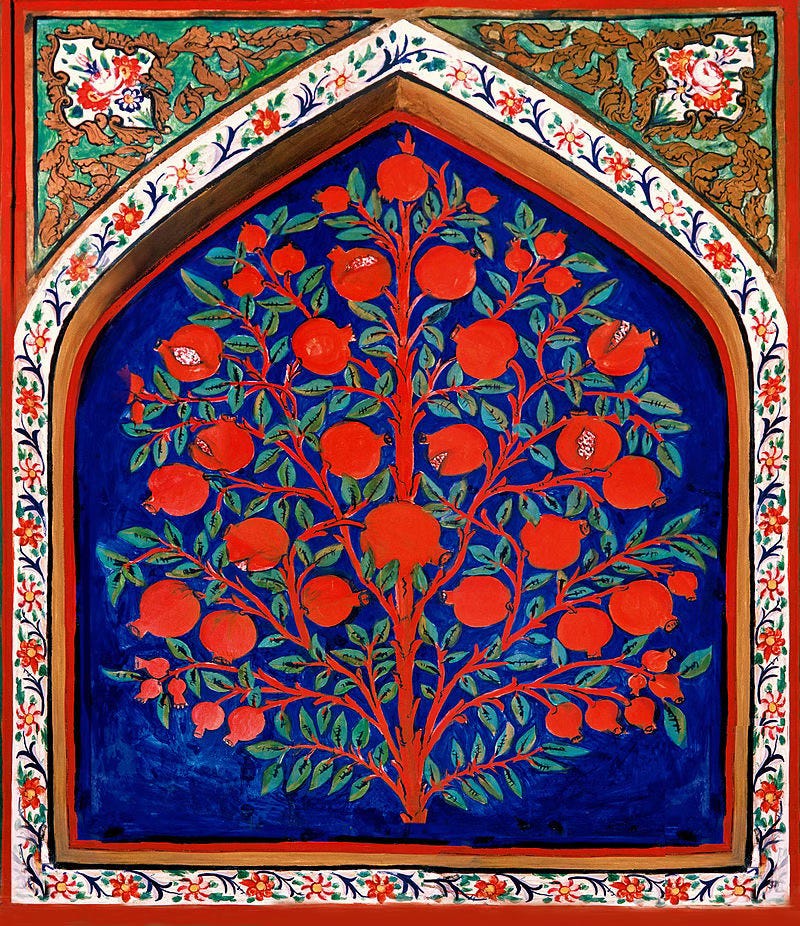
The pomegranate is another fruit that has been largely used in artistic expression. Greek mythology holds two significant meanings for this fruit which vary quite drastically. On one hand, the pomegranate signified life after death, inspired by the story of Persephone, goddess of the underworld. On the other hand, due to its many seeds, the pomegranate signified fertility and desire [4]. These themes continue into the Renaissance where the fruit is occasionally seen with baby Jesus and Mary. In The Virgin with the Pomegranate (1426), it represents both Jesus’ sacrifice— life after death— and Mary’s fertility [5]. The pomegranate tree is also seen as one of four holy trees in Islam and is commonly found in Islamic motifs and paintings spanning centuries [6].
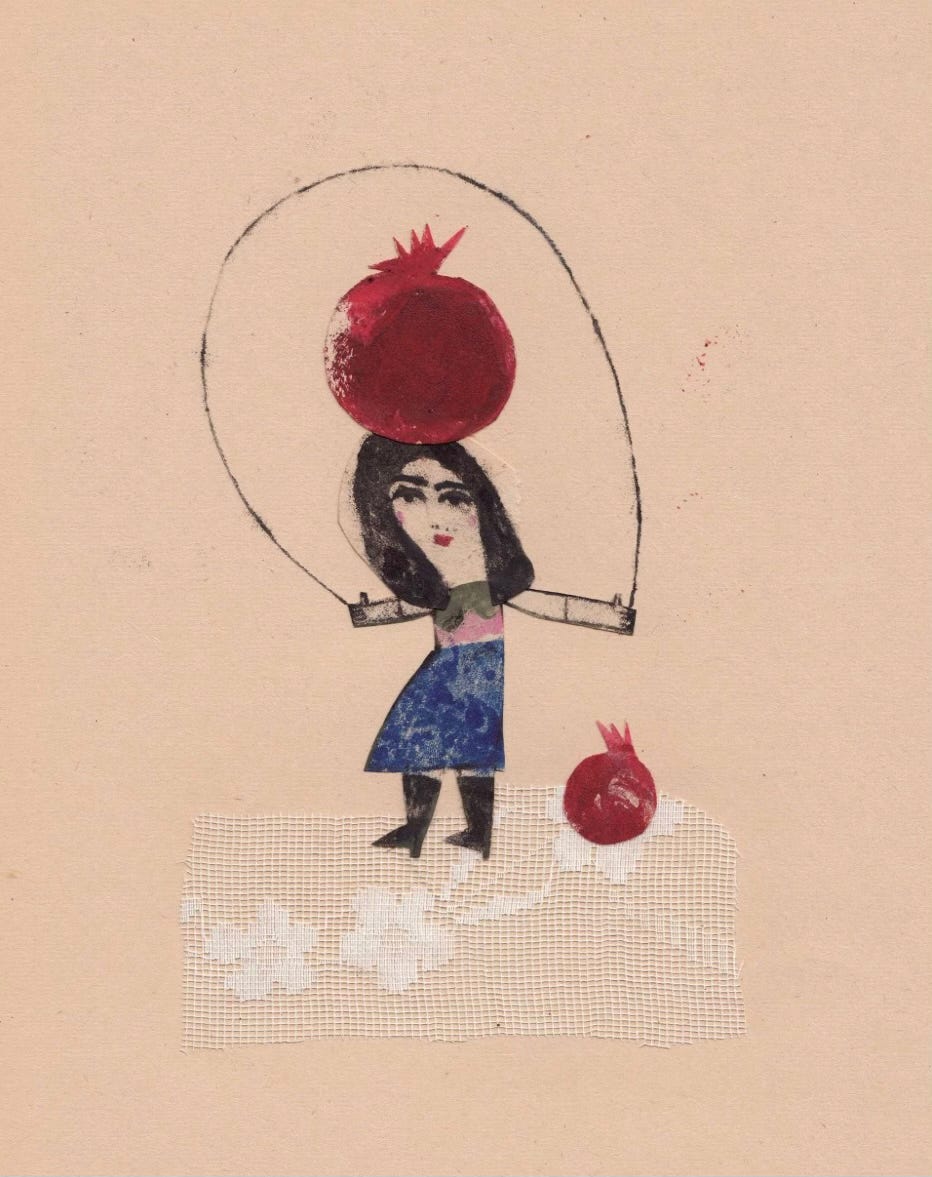
Outside of religious and mythological virtues, the pomegranate still holds symbolic significance. Hanieh Ghashghaei described her contemporary piece, L’Incanto del Melograno (2024), as follows:
“This original artwork features a young woman with a vibrant red pomegranate resting atop her head, symbolizing vitality, mystery, and fertility. A smaller pomegranate beside her creates a subtle connection between humanity and the natural world.
The bold reds of the fruit stand out against a soft, muted background, creating a striking contrast that balances intensity with serenity. This piece is a celebration of femininity and the timeless relationship between nature and the human spirit.”
The Wealthy and Divine
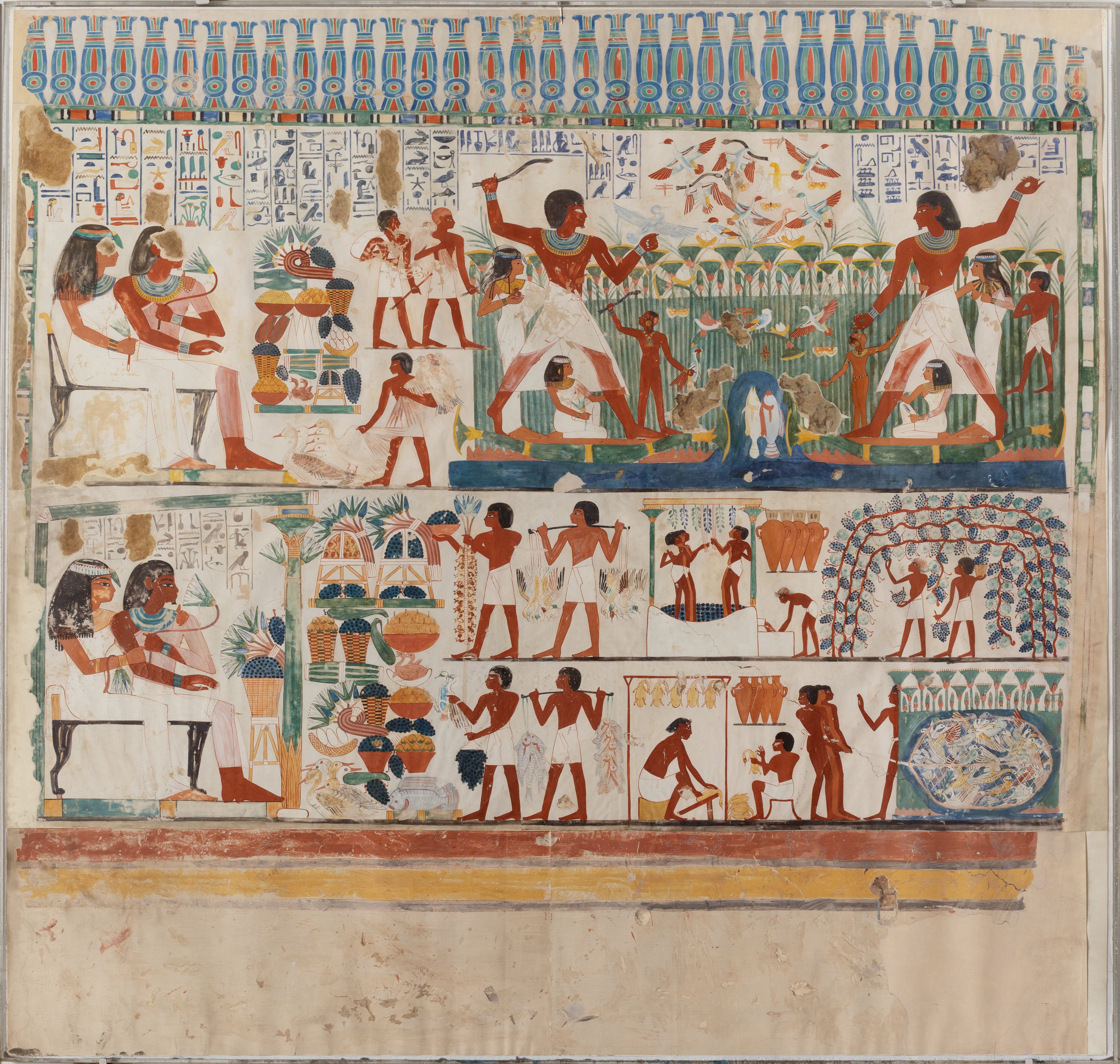
There is one drink that tops them all when it comes to art history. A drink that spans cultures and time and was often reserved for the divine— wine. There is evidence of winemaking in Ancient Egypt, expertly painted along tomb walls to ensure a good afterlife [7]. There was Bacchus, the Roman god of wine, who was typically depicted with grapevines and who inspired wild Bacchanalia festivals filled with drinking and other pleasures. Even in Mughal art, there are depictions of the wealthy enjoying wine [7].
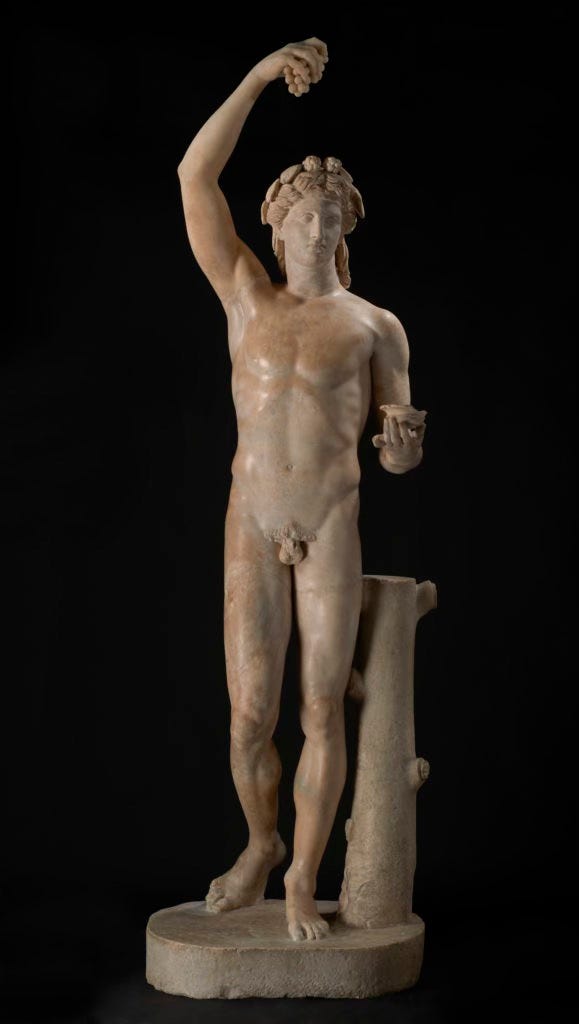
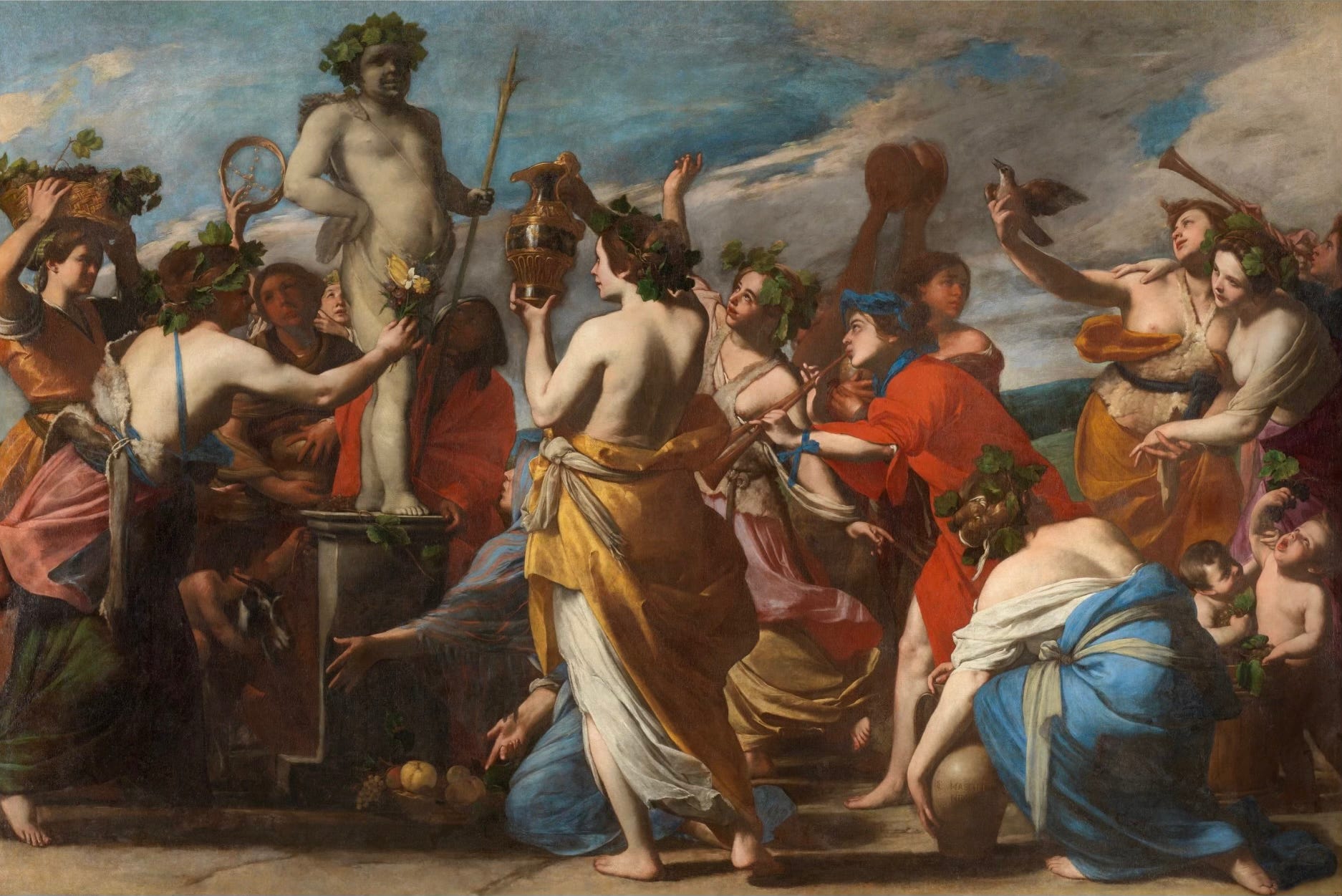
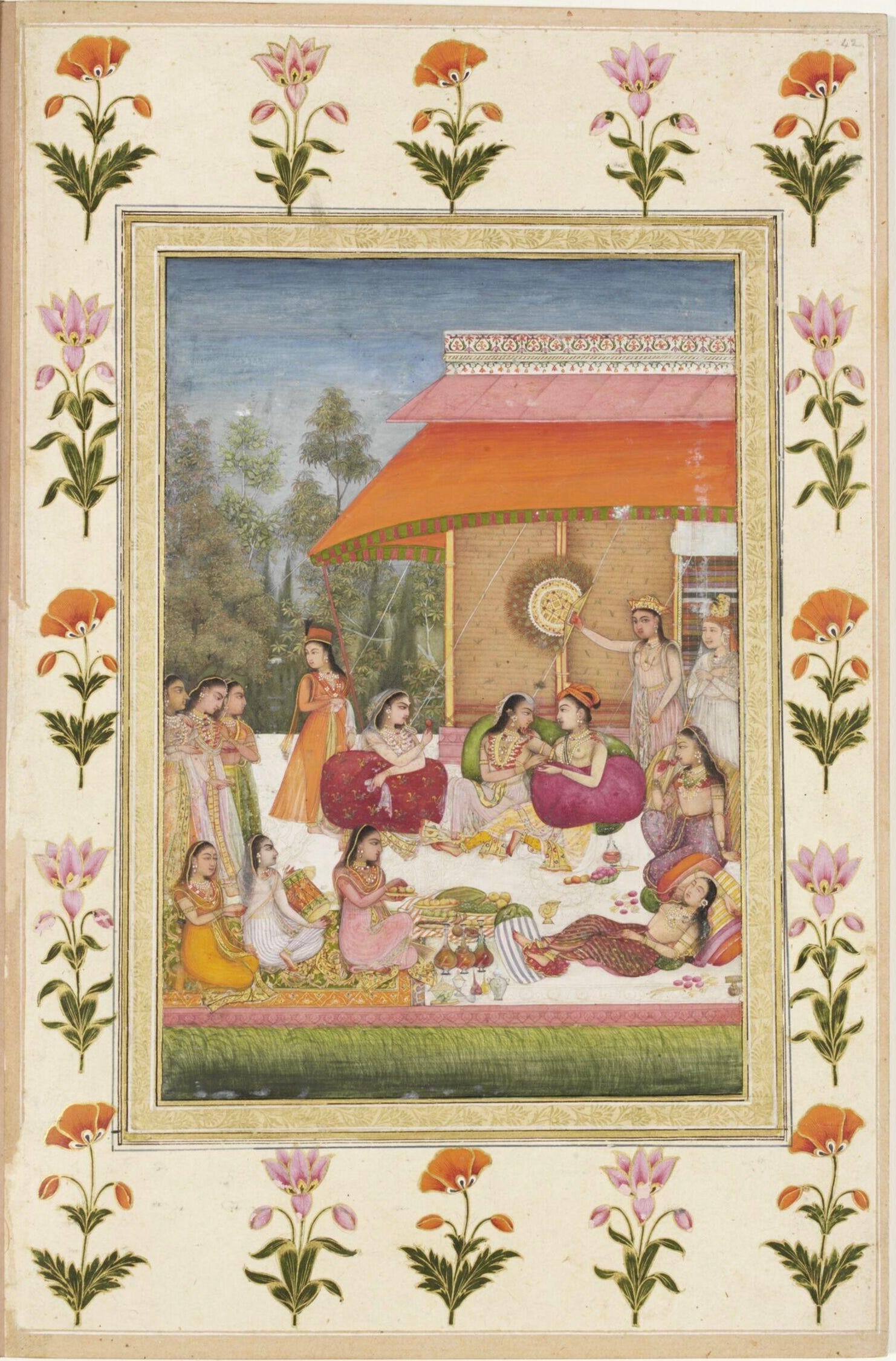
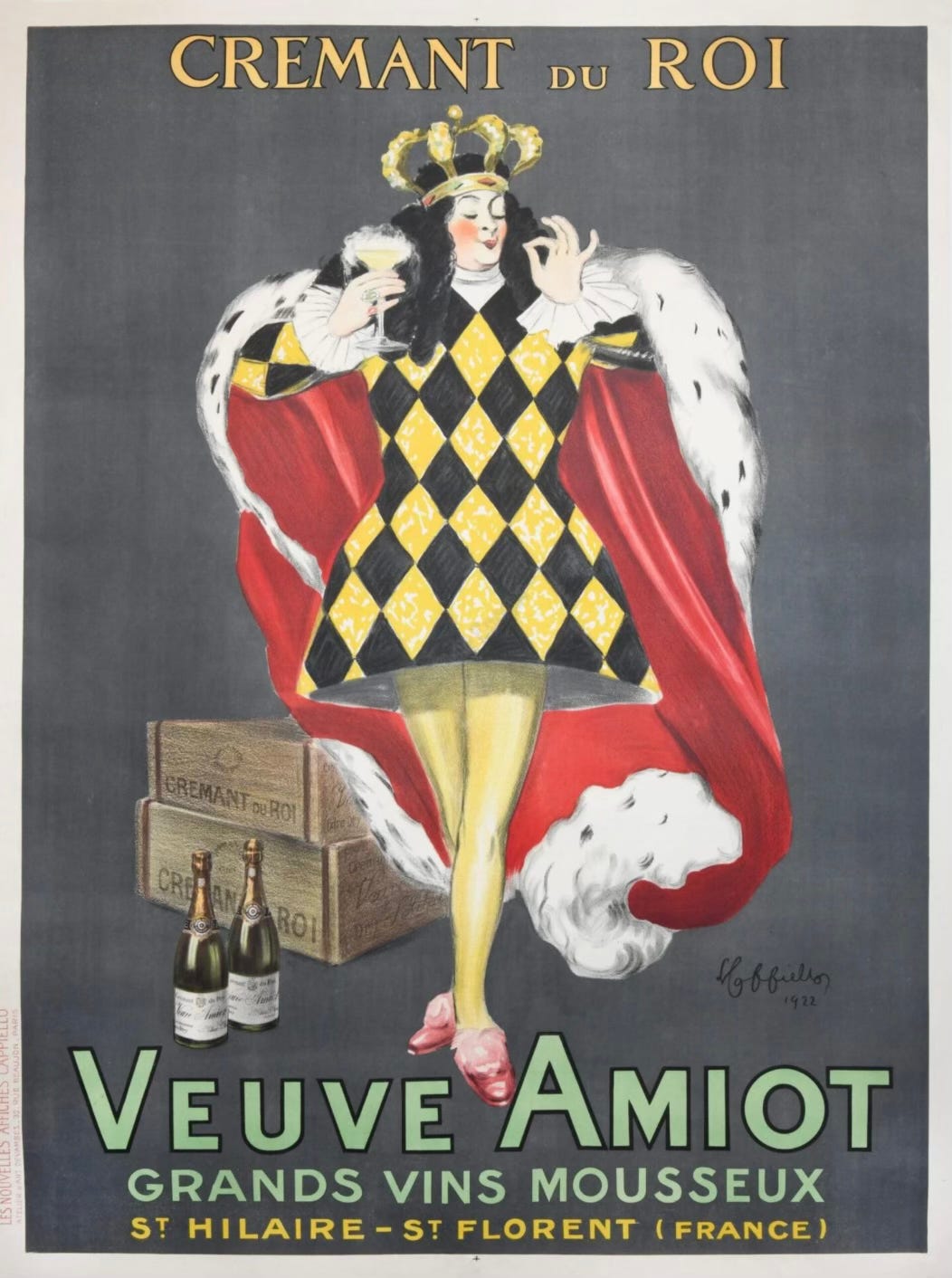
Beyond the divine, wine became a common subject of advertising in the late 19th and early 20th centuries, resulting in a wide array of posters and labels (though it still catered to the wealthier classes). Even today, wine is commonly associated with the bourgeoise and advertised as such.
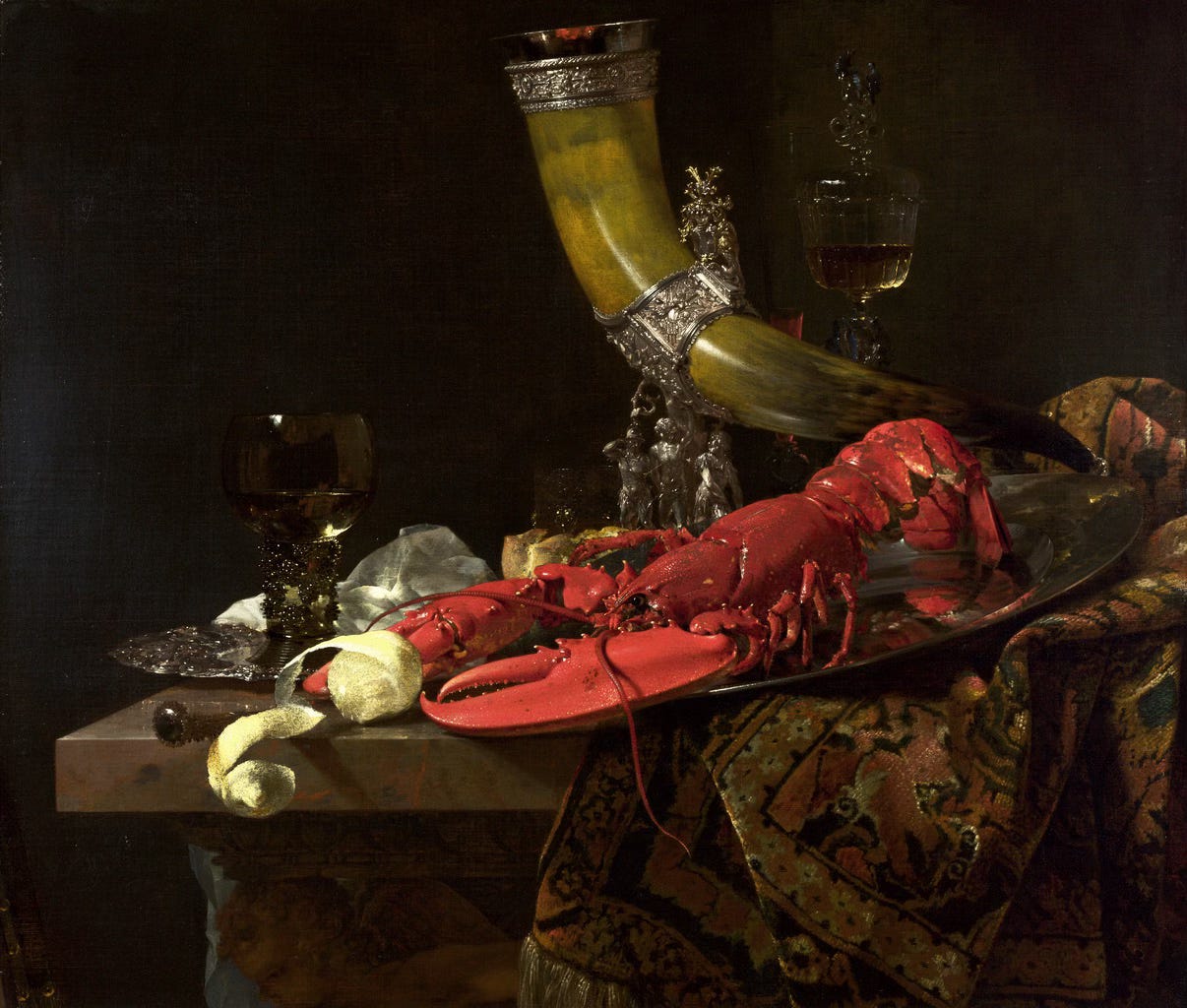
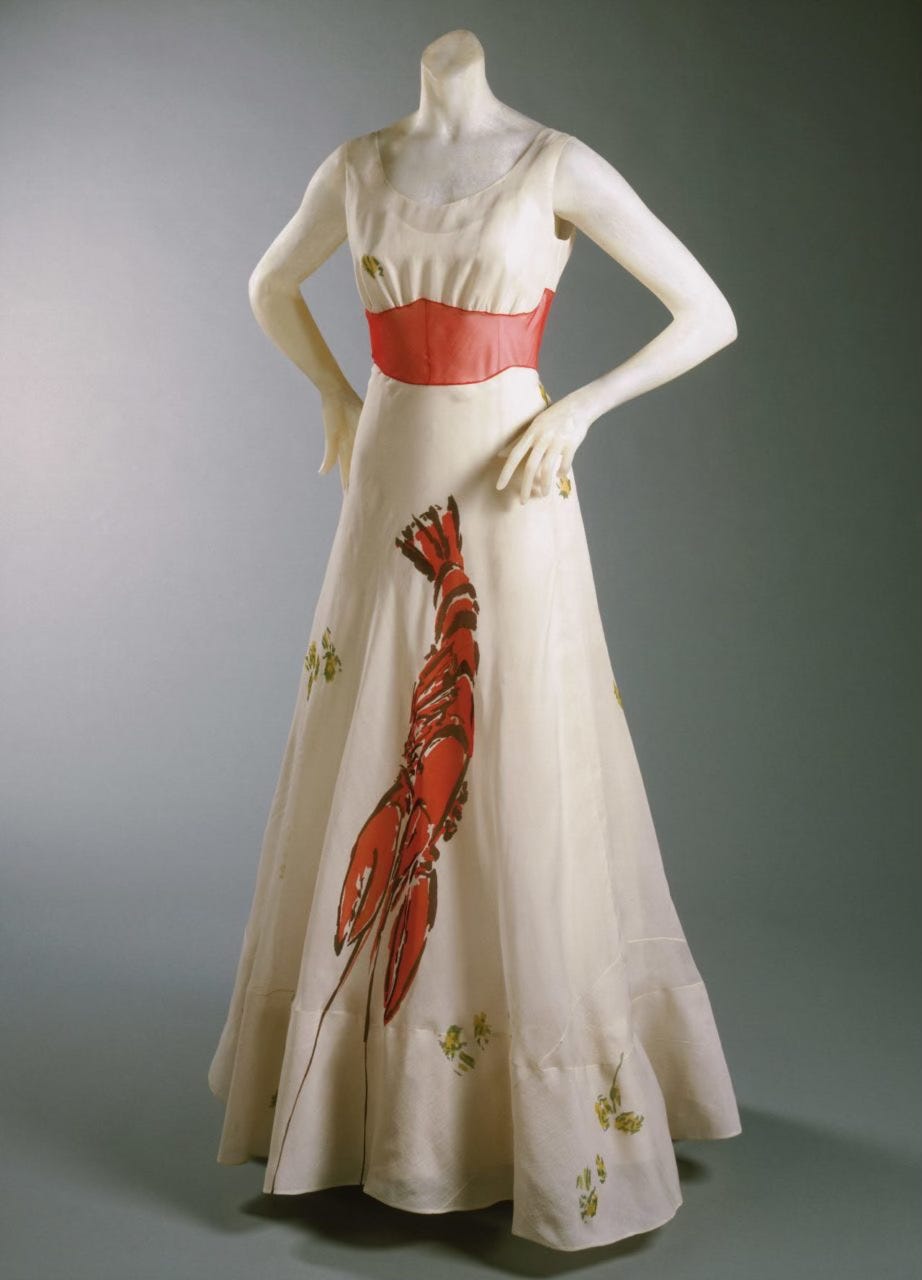
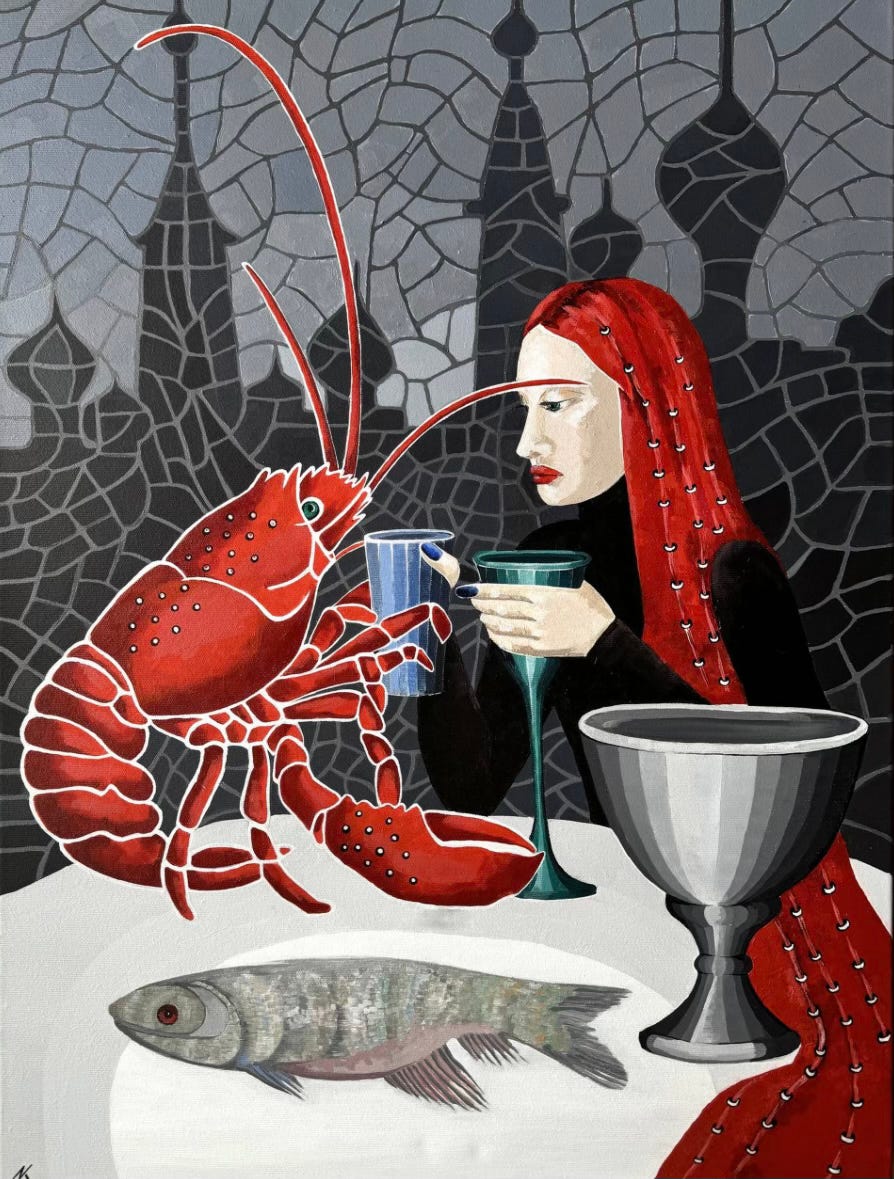
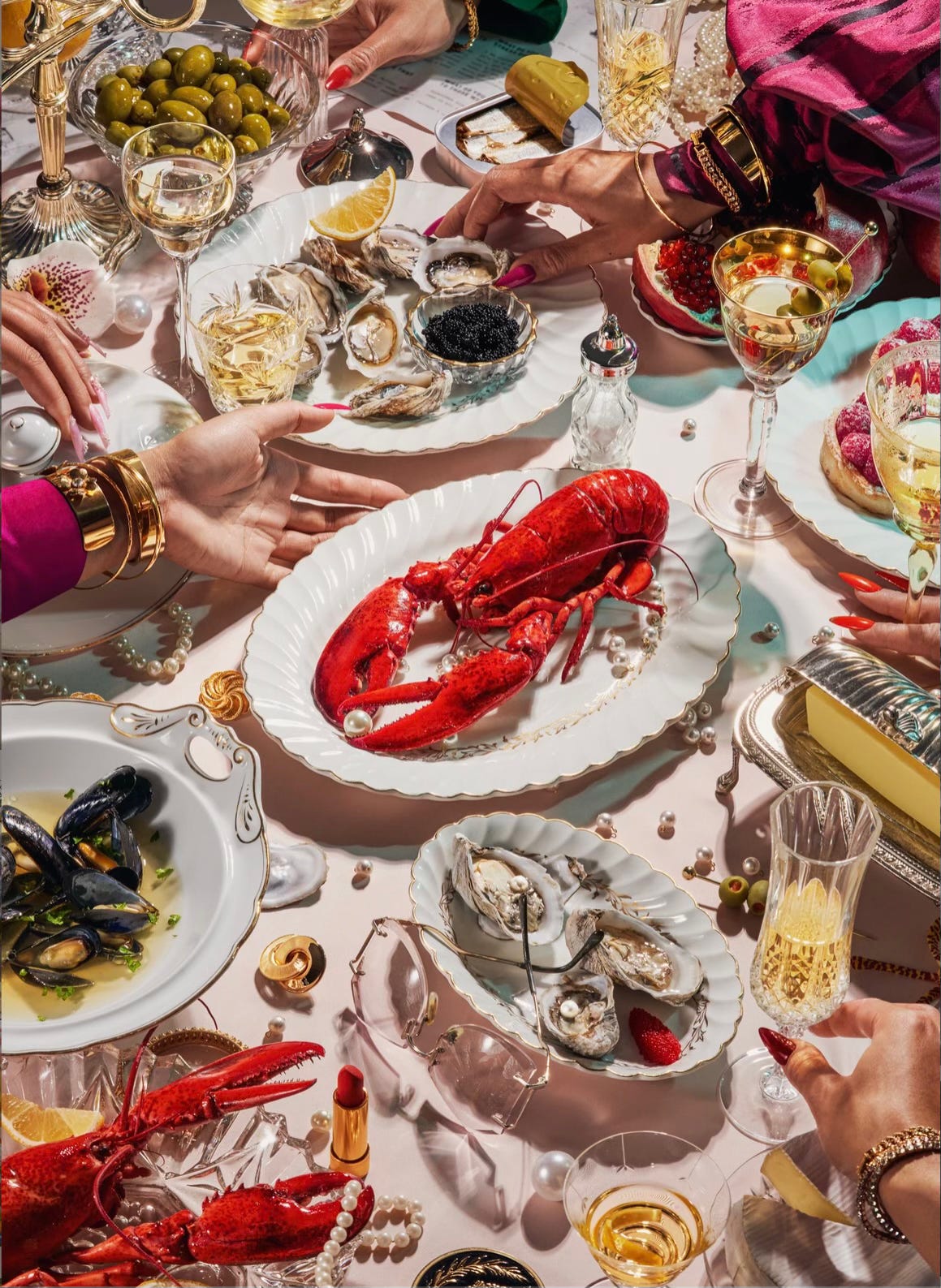
Though not a very common object seen in art, lobsters leave quite the impression when they are imitated and they stray away from other foods because they do not have deep ties to religion. Instead, they tend to carry a more philosophical side to memento mori. In Dutch still lifes, lobsters represent earthly pleasures, wealth and excess while reminding the viewer of death [8]. Though their bright red appearances pop out to viewers and signify a rich lifestyle, they only achieve that color when they are cooked. In the Surrealism movement, Salvador Dalí took the lobster to a new level. Though his depictions typically had sexual innuendos, his 1937 collaboration with fashion designer Elsa Schiaparelli created another connection between lobsters and the affluent. Together, they created a designer dress which was modeled by the Duchess of Windsor for Vogue [9]. Today, lobsters carry the same message and can still be seen in philosophical and rich artistic contexts.
Feasting on Desire
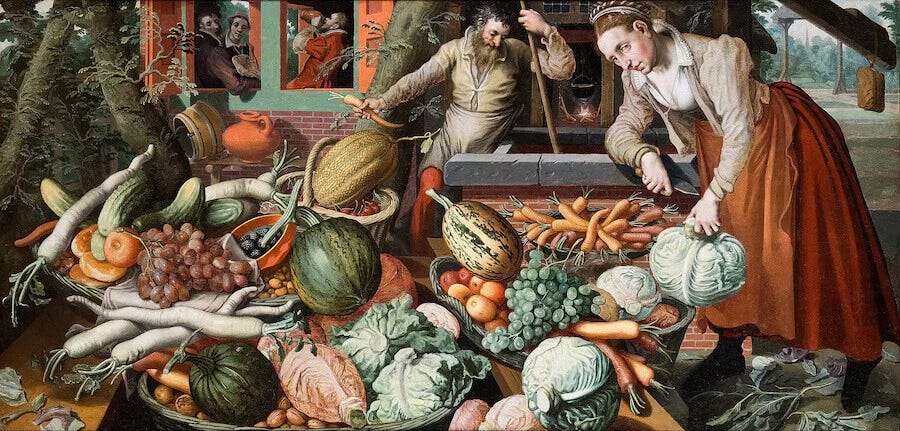
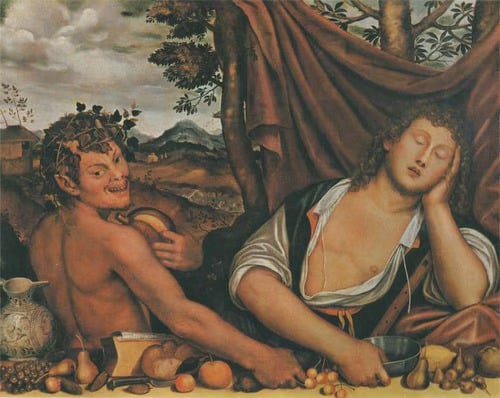
One can’t approach this topic without discussing the plethora of sexual innuendos that artists make with food, especially regarding female sexuality. For centuries, certain vegetables, fruits, and meats have been used to depict male and female genitalia. 16th century Dutch painter Pieter Aertsen often included subtle, sexual innuendos in his still lifes [1]. Market Scene (1569) by the artist shows a man holding a carrot and a woman holding a cabbage, both symbols for genitalia. In Niccolò Frangipane’s Allegory of Autumn (1585) a satyr is seen fingering a melon with one hand while holding a sausage in the other, signifying the erotic dreams of the young man next to him [10].
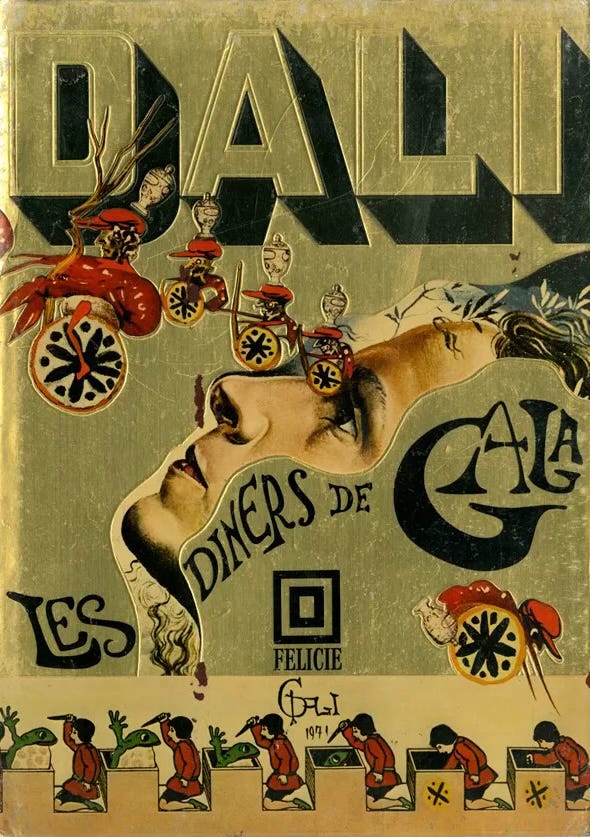
In 1973, Salvador Dalí published a cookbook called Les Diners de Gala, a mix of French cuisine, surrealist thought, and original works with a section dedicated to aphrodisiacs. Of course, lobsters are including in some of these works, including on the cover, which Dalí often used to evoke female sexuality.
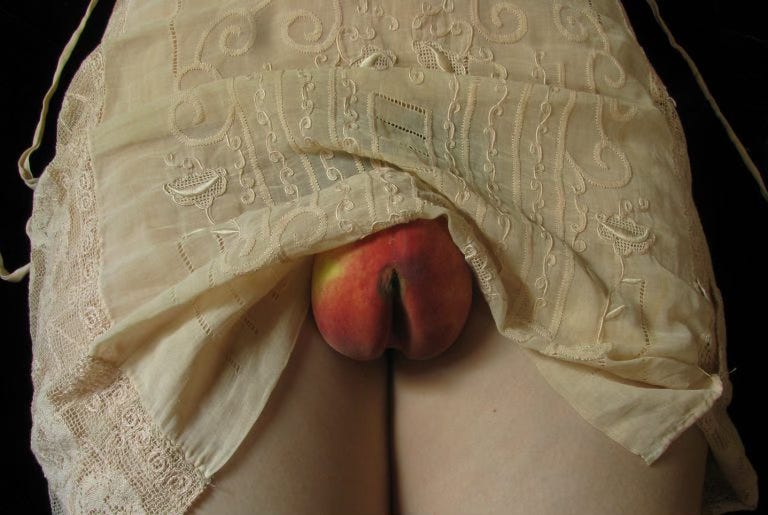
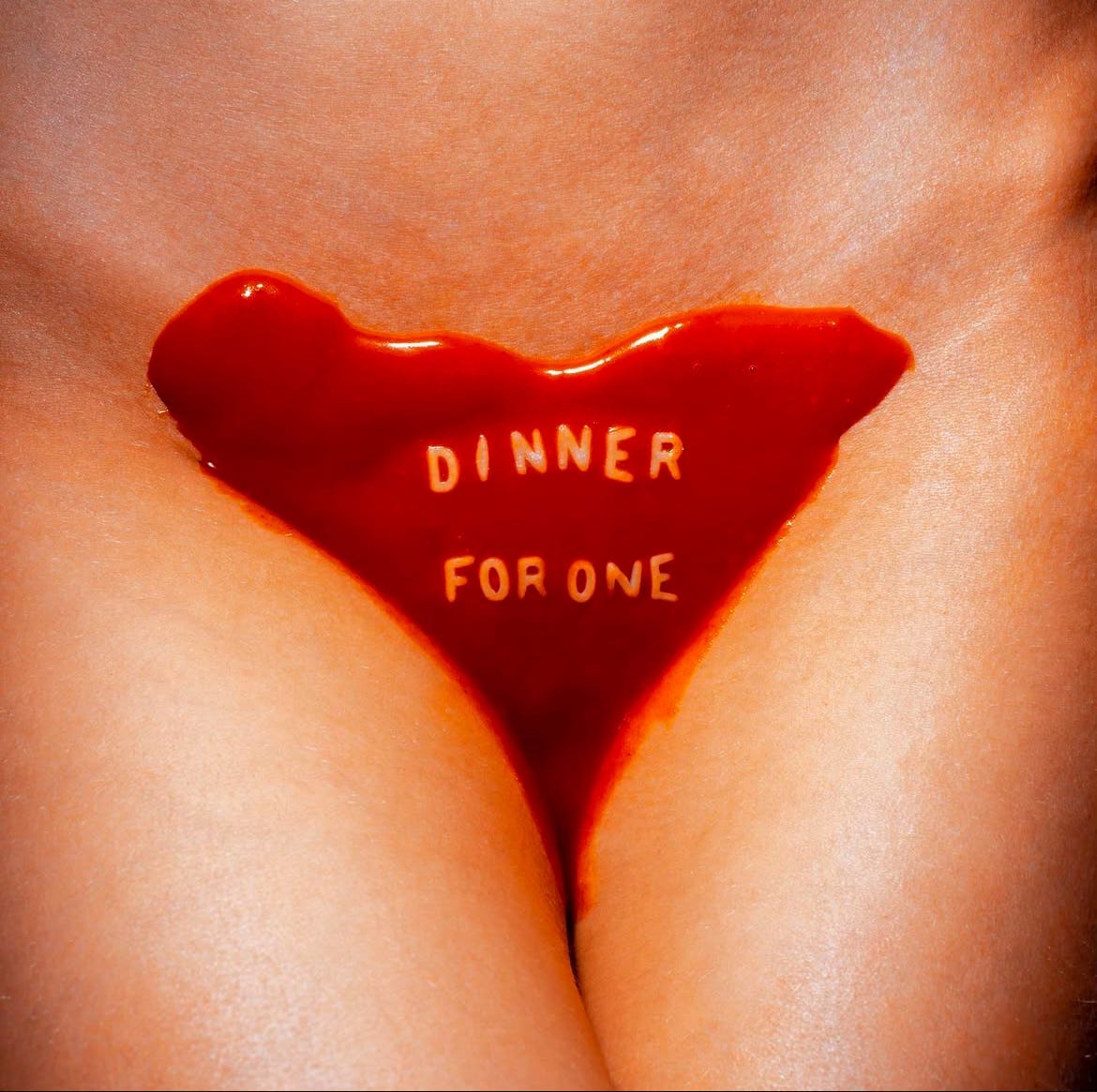
Today, the intersection of food, sex, and art are more popular than ever. From lewd emoji use (e.g. eggplants and peaches) to viral videos of shirtless men cooking in aggressively sexual ways, the subject is alive and strong. Artist Stephanie Sarley has been posting explicit food videos and images since 2015. In an interview with The Guardian, Sarley said:
“The video[s are] basically about personifying and empowering vaginas through humor and absurdity, and the acceptance of female sexuality at large.” [11]
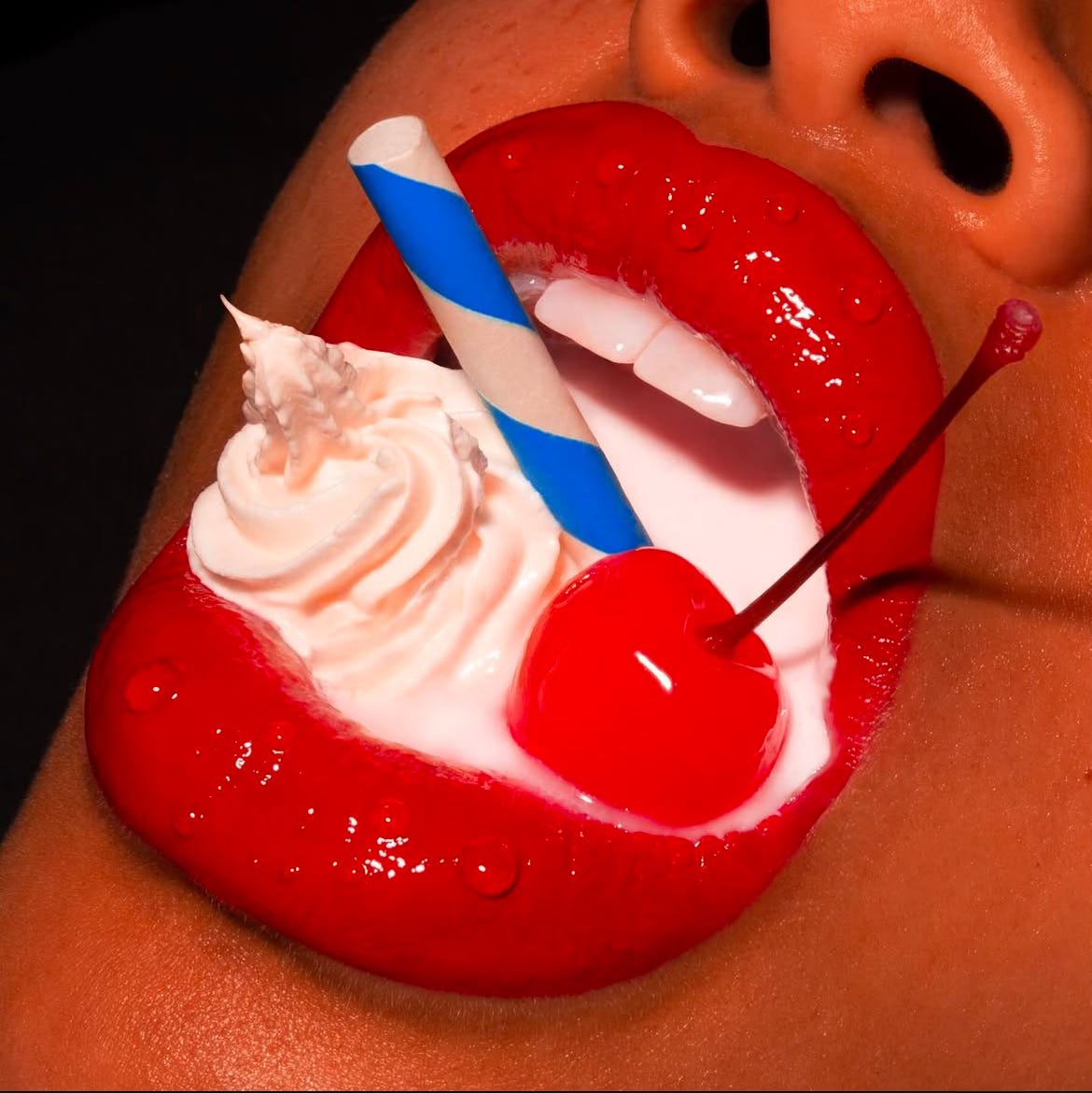
Another contemporary artist, Marius Sperlich, continually uses women’s mouths as a canvas to depict different scenes, often utilizing the tongue and food items. These examples reiterate the common connection between food and the female body in particular.
From Cans to Canvas
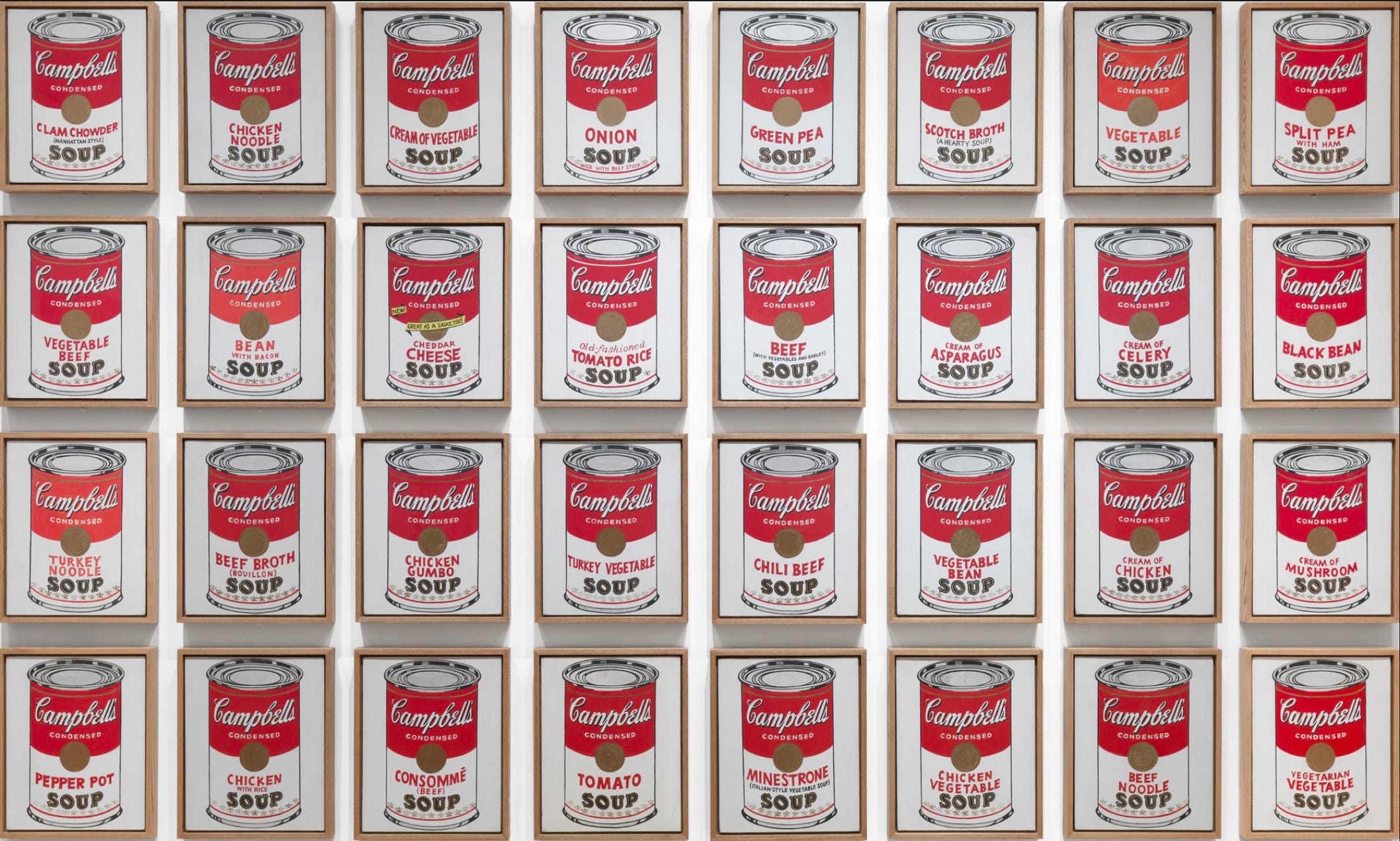
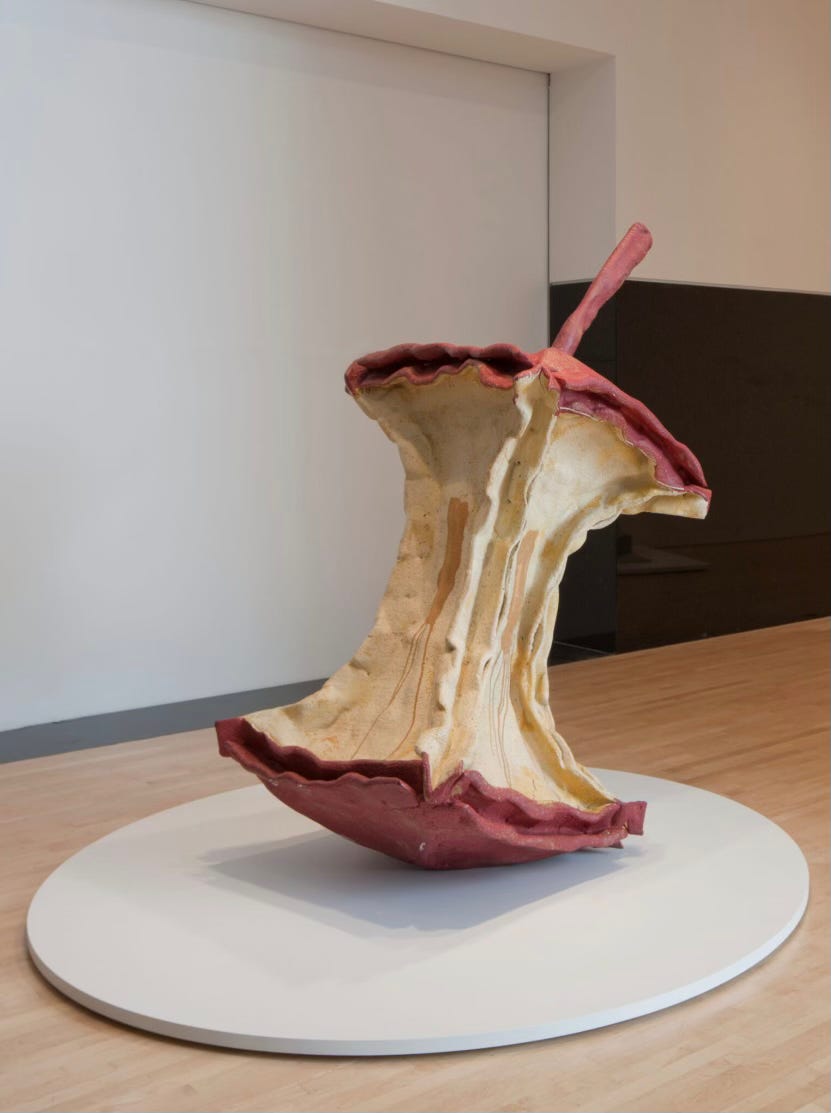
In an attempt to reflect on growing consumer habits, the pop art movement created some of the most notorious food-related pieces. Andy Warhol’s Campbell’s Soup Cans (1962) are an iconic series of canvases that helped to kick off this trend and highlighted advertising styles of post-war America [12]. Claes Oldenburg famously created huge sculptures of everyday items and foods to challenge the viewer with a new idea of museum-worthy subject matter.
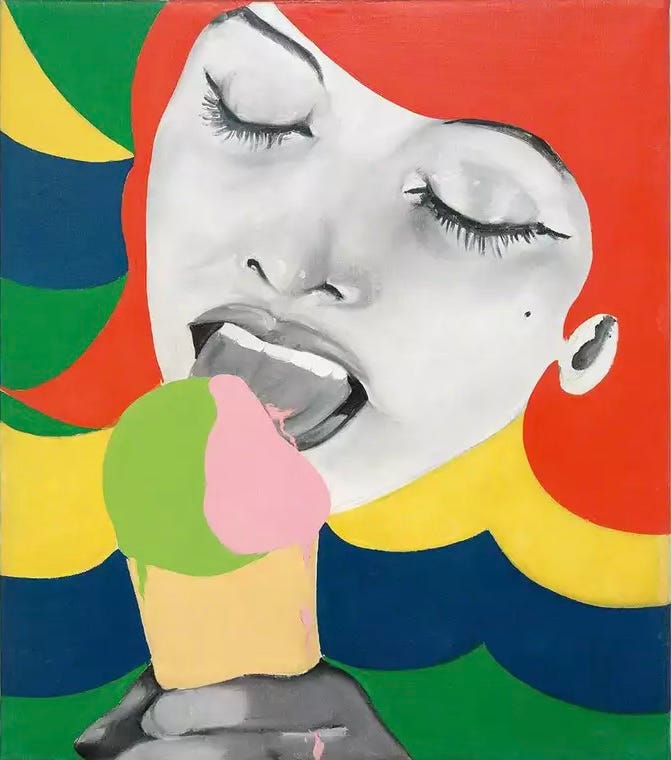
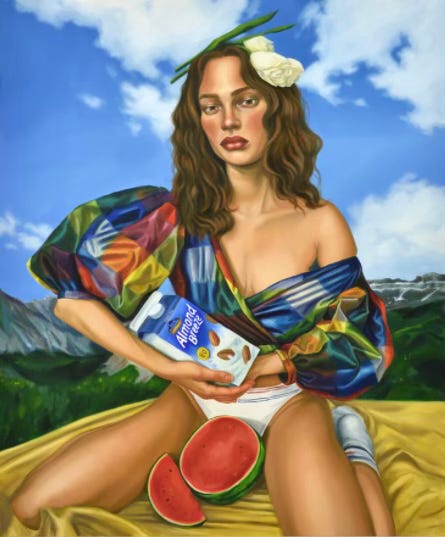
Evelyne Axell created works, such as Ice Cream (1964), to inspire new narratives about female sexuality. Today, these sentiments continue and can be seen in works such as Chloe Wise’s Virgo Triennial (2017), which pokes fun at commodity fetishism that is geared towards women [13].
The Last Bite
Something so intrinsic to humanity as food will always have a place in art. Both subjects provide a space where people can connect. Whether it is the act of cooking or creating art, meeting at a restaurant or viewing works at a gallery, people are encouraged to experience a unique sense of community and interpret things in new ways. This can be seen throughout art history, especially where food symbolism is concerned. Even where subject matter and sentiments have been repeated, as they have for centuries, the artist and viewer can create and share new associations. So, as we spend this holiday season gathering with loved ones and sharing meals, partaking in old traditions and making new ones, let us savor the flavors and celebrate the creativity that brings us together.
References
[1] https://www.metmuseum.org/toah/hd/food/hd_food.htm
[2] https://historiska.se/norse-mythology/idun-en/
[3] https://leafinke.de/en/whats-the-apple-doing-in-art-history/
[4] https://phoenixancientart.com/work-of-art/hellenistic-greek-cast-glass-pomegranate-vase/
[6] https://www.bbc.com/travel/article/20230816-sheki-the-caucasus-unsung-culture-capital#
[7] https://artuk.org/discover/stories/divinity-drunkenness-and-desire-the-story-of-wine-in-art
[8] https://artuk.org/discover/stories/lemons-and-lobsters-and-cabbages-oh-my-symbolic-food-in-painting
[9] https://www.cnn.com/2024/08/21/style/lobster-luxury-status-symbol/index.html
[10] https://daily.jstor.org/fruit-and-veg-the-sexual-metaphors-of-the-renaissance/
[12] https://www.artsy.net/article/artsy-editorial-lichtenstein-thiebaud-pop-artists-obsessed-food
[13] https://www.districtonestudios.com/journal/food-in-art-history